
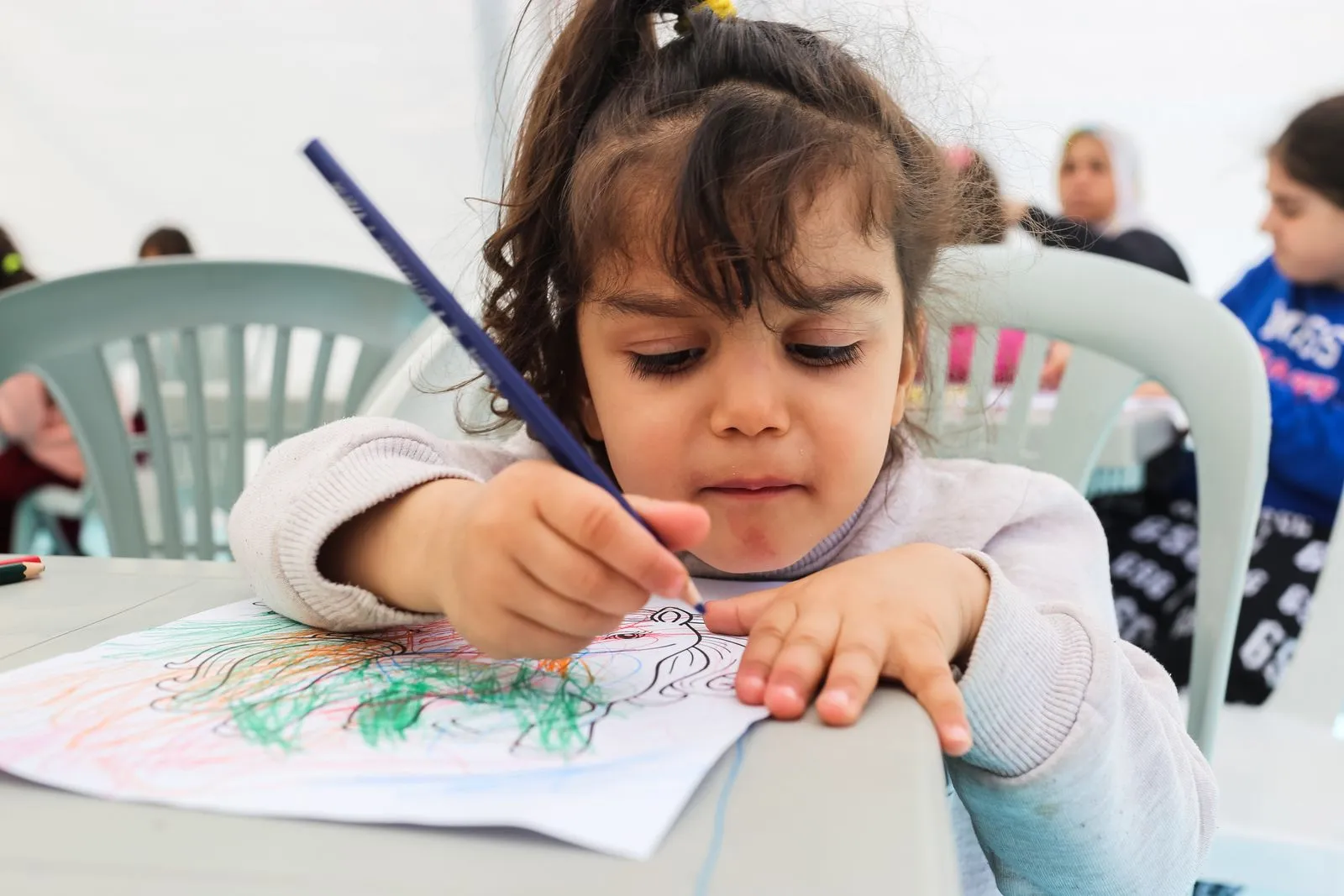
An arts-focused preschool should offer more than occasional craft projects. Art can give young children ways to explore ideas, practice coordination, express feelings, and learn alongside others. As you compare programs, look at how the classroom supports exploration, what kinds of creative experiences children have, and how the day is organized. Ask how teachers communicate with families, too. These details can help you understand whether a program feels safe, welcoming, and suited to your child’s needs.
Explore the learning environment
Notice whether children can reach age-appropriate materials and choose how to use them. A thoughtfully arranged classroom may include drawing tools, building materials, dramatic-play items, and places to work alone or with others. Look for clear organization, sturdy furniture, and surfaces that can handle hands-on projects. Ask how teachers supervise materials and manage any supplies that need closer adult attention.
A supportive environment makes room for experimentation without expecting every child to produce the same result. Observe how teachers respond when a child changes direction, makes a mess, or needs help getting started. Ask how the program accommodates different abilities, interests, and comfort levels. Children should be encouraged to participate at their own pace rather than pressured to create a particular finished product.
Ask about creative activities
Find out what children actually do during a typical week. Creative experiences might include painting, music, movement, storytelling, sculpture, or imaginative play. Ask whether activities use varied materials and invite children to make choices, solve problems, and share ideas. An arts-focused approach should connect naturally with children’s curiosity, rather than rely only on adult-led projects with identical outcomes.
Ask how teachers adapt activities for different ages and skill levels. A younger child may explore color and texture, while an older preschooler may plan a structure or tell a story through pictures. It is also useful to learn how teachers handle projects that take more than one day and whether children can return to unfinished work. These details show how creative learning fits into the program.
Understand the daily routine
Young children benefit from a predictable day that still leaves room for discovery. Ask for a sample schedule and note how it balances creative activities with meals, rest, outdoor time, free play, and transitions. A full calendar of adult-directed lessons may leave little space for child-led exploration. On the other hand, a clear rhythm can help children know what to expect and move between activities with less stress.
Ask how teachers prepare children for transitions and respond when someone needs extra time or a quieter moment. Find out how the program handles toileting, meals, rest, and outdoor play, including any relevant routines for your child. The answers can help you decide whether the day feels manageable and whether the staff can meet your family’s practical needs.
Check family communication
Ask how and when teachers share updates about your child’s day, learning, and adjustment to the classroom. Some programs use in-person conversations, written notes, or digital messages. Clarify whom to contact with routine questions and how the school handles concerns or urgent matters. Consistent, respectful communication helps families understand what children are exploring and gives teachers useful context about home routines or changing needs.
During a visit, notice whether staff listen carefully and answer questions in plain language. Ask how they share children’s work and learning without making comparisons or focusing only on finished projects. You can also ask how families can raise a concern and what follow-up to expect. Clear answers offer a better sense of the partnership you can expect than a polished classroom display alone.
When comparing arts-focused preschools, look beyond the label: consider the classroom, the range of creative experiences, the shape of the day, and the way staff work with families. Visit if possible, ask specific questions, and notice how your child responds to the space. For more information, contact Tulsa Art Sprouts to discuss your family’s questions and arrange a visit.